Keeping the Equipment for Veterinary Anesthesia in Good Shape
A functional anesthesia machine is an important component of animal care within any vet clinic. Proper maintenance and routine checks lower risk and keep animals safe while being operated on. It also saves clinics money and time down the line. If you’re employed at or own a veterinary clinic, don’t wait for issues to arise. Establish a routine maintenance schedule for your anesthesia machines. An investment of a bit of time now can keep issues from arising later.
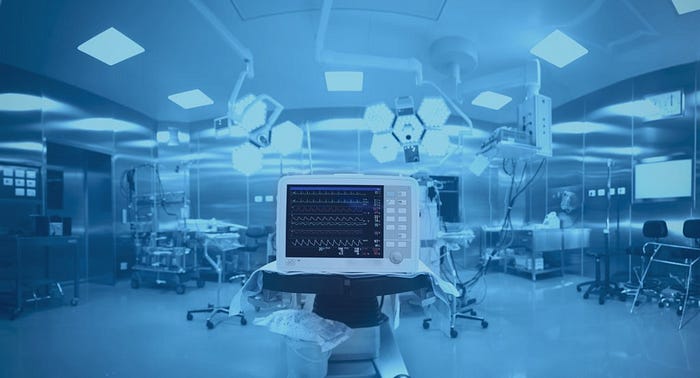
Veterinarian offices count on highly maintained anesthesia tools to provide excellent and safe care. The equipment is responsible for the times when animals are undergoing surgery or other procedures. If the equipment fails to function properly, both animals and personnel could be at risk. Maintenance of Anesthesia Equipment is not only beneficial, but it is crucial.
Why Maintenance Matters
Veterinary anesthesia machines assist in keeping animals asleep and free from pain during surgery. The machines regulate gas, oxygen, and airflow levels. Any of them failing might cause issues. There is a leak and the wrong amount comes out, or there is a blockage in the airflow and the flow of air stops. You can find problems early and fix them before they get worse when you do maintenance.
Parts Most Likely to Require Routine Inspection
There are several components in a normal veterinary anesthesia machine that require routine checks:
● Breathing Circuits: These are to be cleaned frequently. Dirt or plaque may influence the functioning of the machine.
● Oxygen Tanks and Regulators: They have to be tested for leaks or cracks. Correct pressure is required for safe functioning.
● Vaporizers: These require frequent cleaning and calibration to provide the right dose of anesthetic.
● Scavenging System: This component expels excess gas. When it becomes plugged, it may be dangerous to both animals and personnel.
● Hoses and Seals: Loose or worn seals will cause leaks. They should be replaced on time.
How Often Must the Maintenance be Done?
It varies depending on the frequency of use of the machine. Busy clinics might require a complete check every 6 months. Smaller clinics might do it once a year. Pre-use daily checks are also beneficial. They consist of ensuring there are no leaks, everything is properly connected, and the machine turns on without fault.
Easy Daily and Weekly Tasks
Daily:
● Daily check for gas leaks with a soap solution.
● Make sure the oxygen tank is full.
● Look at hoses and tubes for any cracks.
● Test the flowmeter and pressure.
Weekly:
● Clean the breathing circuit.
● Wipe down the machine.
● Inspect the scavenging system.
● Check vaporizer levels.
These small tasks make sure the machine is ready when needed.
Who Should Perform Maintenance?
Some of the work, such as daily veterinary anesthesia machine maintenance and cleaning, may be performed by clinic personnel. However, more sophisticated work must be performed by a skilled technician. Maintenance once every year should involve full inspection, pressure test, vaporizer calibration, and replacement of worn-out components.